Love Your Sofa, Hate the Fabric? A Guide to Reupholstering with Designer Upholstery Fabric
There’s something special about a sofa that fits your home perfectly. The proportions are right, the seat feels familiar, and you can’t quite imagine the room without it. But the fabric? Perhaps it’s faded, worn, or simply a reflection of a style you’ve outgrown.
Reupholstering a sofa offers an opportunity to refresh a favorite piece without replacing it. With the right designer upholstery fabric, a traditional sofa can feel contemporary in a tailored stripe, a vintage chair can become a focal point in a botanical print, and a simple bench can take on a richer character in velvet.
Before choosing new fabric, it helps to understand the costs, durability requirements, yardage, and design considerations that can influence the finished result.
Is It Worth Reupholstering a Sofa?
The first step is a conversation with a professional upholsterer. Ask them to assess the frame, springs, cushions, and overall condition of your furniture. New fabric can transform its appearance, but comfort and support may require additional work.
Reupholstering is not always less expensive than purchasing a new sofa. Labor, fabric quality, cushion replacement, and structural repairs can all influence the final cost.
However, reupholstery may be especially worthwhile when a piece has a well-constructed frame, distinctive proportions, quality craftsmanship, or sentimental value.
Request an estimate that separates upholstery labor, fabric, cushioning, and any necessary repairs. This makes it easier to compare the investment with the cost of replacing the furniture.
If you love the shape and size of your sofa, exploring reupholstery may be well worth the effort.
Choose Upholstery Fabric for the Way You Live
A sofa used for movie nights, afternoon naps, and visits from the family dog has different requirements from an occasional chair in a quiet bedroom.
Start by exploring our designer upholstery fabric collection, then narrow your selections according to how the furniture will be used.
For busy households, consider performance upholstery fabrics. Many are developed with stain resistance, easier cleaning, or enhanced durability in mind. However, performance features vary by fabric, and stain resistance does not mean a material is immune to spills, wear, or damage.
For a softer, more dimensional look, explore textured and woven fabrics. Consider the weave as well as the appearance, particularly if pets share your furniture. Loops and loosely woven yarns may be more susceptible to snagging.
For rich color and a luxurious surface, velvet upholstery fabrics offer a timeless choice. Pay attention to pile direction, cleaning requirements, and the possibility of pressure marks from everyday use.
The goal is to find a fabric that complements your furniture while remaining appropriate for your lifestyle.
Understand Fabric Durability Before Choosing
Not every beautiful designer fabric is suitable for everyday upholstery.
When comparing fabrics, review the manufacturer's specifications, including abrasion resistance, fiber composition, cleaning instructions, and recommended applications.
Abrasion resistance is often expressed through double rub ratings, which help indicate how a fabric performs under standardized rubbing tests. Higher ratings can be useful when comparing upholstery options, but they do not guarantee a fabric's overall lifespan.
For furniture exposed to direct sunlight, consider lightfastness and the potential for fading. Fabric construction and cleaning requirements are equally important, particularly in frequently used living spaces.
A professional upholsterer can help determine whether your preferred textile is appropriate for the intended application.
Let the Shape of Your Furniture Guide the Pattern
A fabric you love as a small sample may look quite different across an entire sofa. Consider how the design will appear on the seat, back, arms, and cushions.
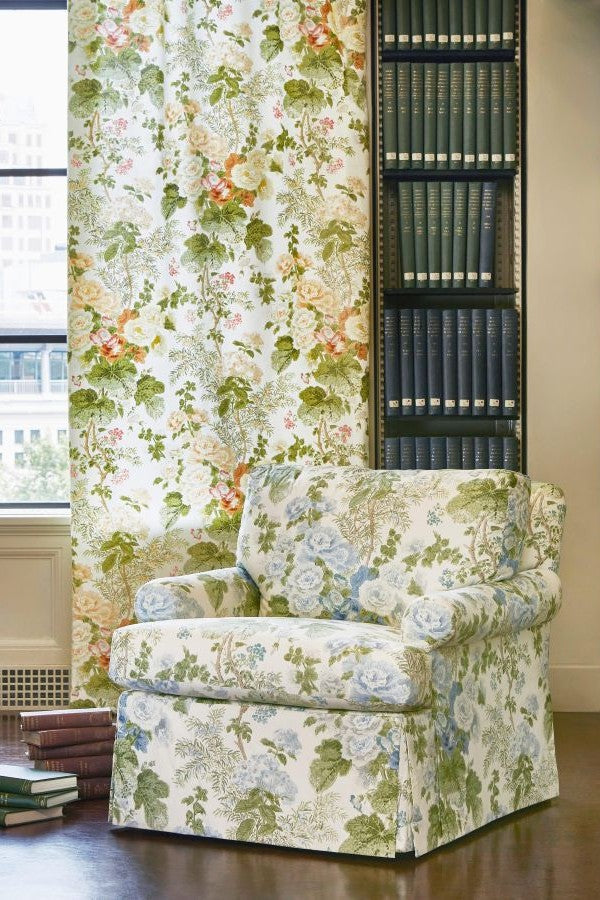
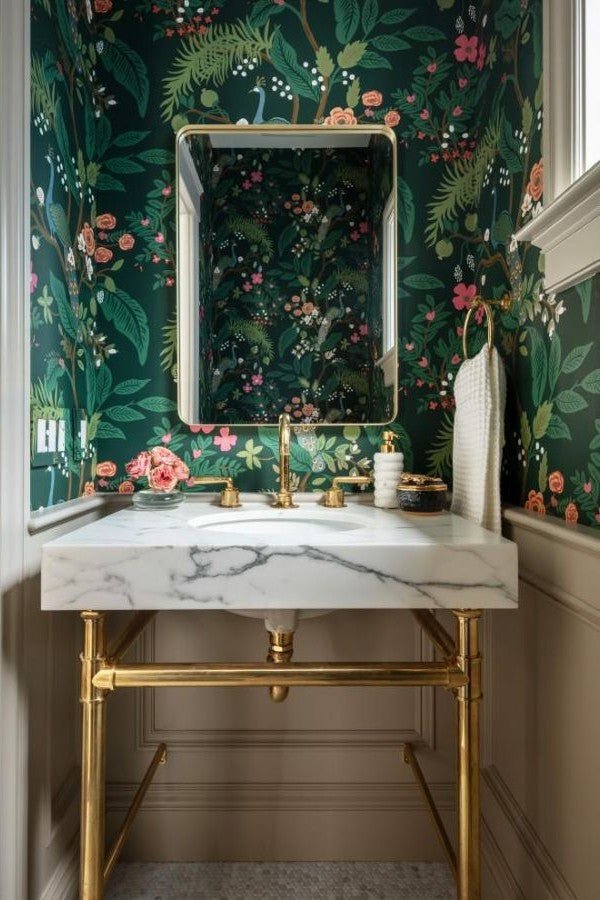
Botanical and floral upholstery fabrics can give familiar furniture a distinctive personality. A large-scale floral can become the defining feature of a room, while smaller motifs introduce pattern more quietly. Request a full-repeat image if the sample shows only part of the design.
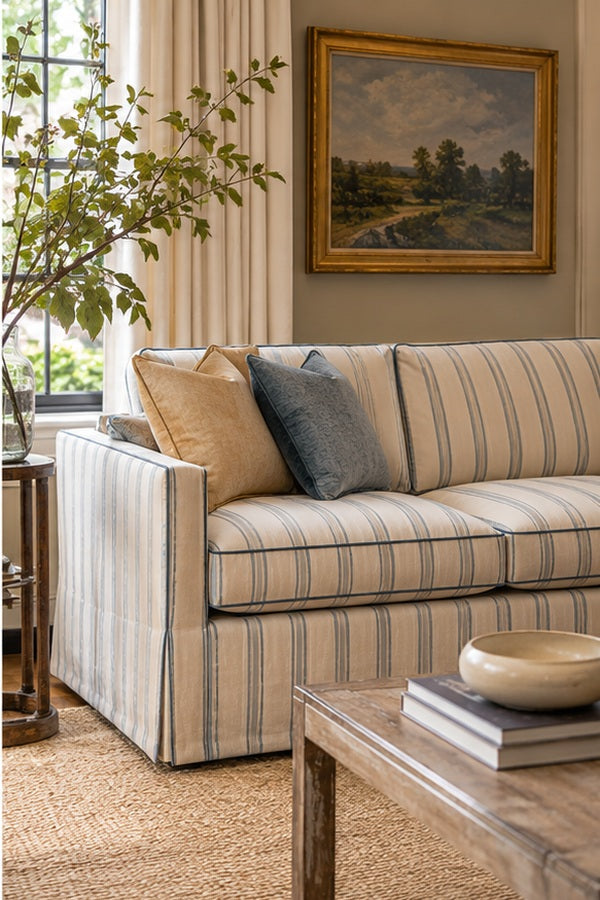
Striped upholstery fabrics offer a tailored, architectural look. However, careful alignment across cushions, seams, and curved arms is essential for a polished finish.
Solid upholstery fabrics allow the furniture's silhouette to take center stage. They also provide flexibility when changing decorative pillows, artwork, and surrounding furnishings.
Before deciding, discuss seam placement and pattern positioning with your upholsterer. These details can make a significant difference to the finished piece.

How Much Fabric Do You Need to Reupholster a Sofa?
Determining upholstery fabric yardage involves more than measuring the length of your sofa.
Fabric width, pattern repeat, cushion construction, skirts, welting, and the direction of the design can all influence the quantity required.
A large-scale floral or stripe may require additional yardage to accommodate pattern matching, while directional fabrics can affect how individual pieces are cut.
Always have your upholsterer calculate the final yardage using the exact fabric you intend to purchase.
Provide the fabric width and horizontal and vertical pattern repeats where applicable. If you are considering matching pillows or additional upholstered pieces, include those in the calculation.
Online yardage estimates can be helpful for preliminary planning, but they should never replace measurements and specifications confirmed by your upholsterer.
See Upholstery Fabric Samples in Your Own Home
Choosing upholstery fabric online is convenient, but color, texture, and scale are best evaluated in person.
Fabric samples allow you to see how a material complements your flooring, wall colors, lighting, and existing furnishings.
Examine your selections in natural daylight and under evening lighting. Place samples directly against the furniture, paying attention to texture, color variations, and the direction of the weave or pile.
For patterned upholstery fabrics, compare the physical sample with a full-repeat image to better understand the design's scale.
Explore luxury fabric selections at The WorkRoom and check sample availability before making your final decision.

Consider the Finishing Details
Reupholstering also presents an opportunity to reconsider the details that define your furniture.
Matching welting can create a clean, understated finish, while contrast welting emphasizes the silhouette. A change in cushion construction, skirt style, or upholstery detailing can also influence the overall appearance.
Discuss these choices with your upholsterer before work begins.
Bring inspiration photographs, but explain what you appreciate about the existing piece. Preserving its original character may be just as important as introducing something new.
Give Your Favorite Furniture a New Chapter
The most successful reupholstery projects begin with furniture worth keeping and fabric you will enjoy living with.
Whether you envision a richly colored velvet sofa, a floral reading chair, or durable performance fabric for a family room, choosing the right material is essential to achieving a beautiful, lasting result.
Discover luxury designer upholstery fabrics at The WorkRoom, featuring distinctive colors, textures, and patterns for thoughtfully designed interiors.