- Fabric
-
- Shop by Fabric Pattern
- Abstract Fabric
- Animal/Insects Fabric
- Animal Skin Fabric
- Asian / Chinoiserie Fabric
- Boho Fabric
- Botanical & Floral Fabric
- Check/Plaid Fabric
- Coastal Fabrics
- Cottagecore Fabric
- Damask Fabric
- Geometric Fabric
- Ikat Fabric
- Herringbone/Tweed Fabric
- Kids Fabric
- Modern & Contemporary Fabric
- Novelty Fabric
- Solid Fabric
- Southwest Fabric
- Stripe Fabric
- Traditional & Decorative Fabric
- Trellis / Scrollwork Fabric
- Tropical Fabric
-
- Shop by Type
- Boucle Fabric
- Chenille Fabric
- Cotton Fabric
- Drapery Fabric
- Embroidery/Crewel
- Faux Fur
- Faux Leather & Faux Suede
- Genuine Leather
- Indoor/Outdoor Fabric
- Linen Fabric
- Mohair Fabric
- Multipurpose Fabric
- Performance Fabric
- Sheer Fabric
- Silk Fabric
- Taffeta, Moiré & Satin Fabrics
- Textured & Woven Fabric
- Upholstery Fabric
- Velvet Fabric
- Wool Fabric
-
- Shop by Fabric Brand
- Baker Lifestyle
- Brunschwig & Fils
- Christian Lacroix
- Clarke & Clarke
- Cole & Son
- Designer Guild
- English Heritage
- Innovations
- GP & J Baker
- Gaston & Daniela
- John Derian
- Kravet
- Lee Jofa
- Lorca
- Matthew Williamson
- Mulberry Home
- Nina Campbell
- Osborne & Little
- Patterson Flynn
- Pindler
- Ralph Lauren
- RM Coco
- Royal Collection
- Scalamandre
- Schumacher
- Schumacher Pillows
- Scion
- Stout
- Sunbrella
- Threads
- William Yeoward
-
- Shop by Designer
- Andrew Martin Fabric
- A Rum Fellow Fabric
- Barbara Barry Fabric
- Barclay Butera Fabric
- Blithfield Fabric
- Candice Olson Fabric
- Caroline Cecil Textiles
- Caroline Z Hurley Fabric
- Celerie Kemble Fabric
- David Kaihoi Fabric
- Johnson Hartig For Libertine
- Jeffrey Alan Marks Fabric
- Kelly Wearstler Fabric
- Kit Kemp Fabric
- Lizzo Fabric
- Mark D Sikes Fabric
- Mary McDonald Fabric
- Miles Redd Fabric
- Missoni Home Fabric
- Molly Mahon Fabric
- Neisha Crosland Fabric
- Paolo Moschino Fabric
- Studio Bon Fabric
- Thom Filicia Fabric
- Veere Grenney Fabric
- Wallpaper
-
- Shop by Wallpaper Pattern
- Abstract Wallpaper
- Animal/Insect Wallpaper
- Asian/Chinoiserie Wallpaper
- Boho Style Wallpaper
- Botanical & Floral Wallpaper
- Check/Plaid Wallpaper
- Coastal Wallpaper
- Cottagecore Wallpaper
- Damask Wallpaper
- Fabulous Faux & Faux Finish Wallpaper
- Farmhouse Wallpaper
- Geometric Wallpaper
- Kids Room Wallpaper
- Scenic Wallpaper
- Solid Wallpaper
- Southwest Wallpaper
- Stripe Wallpaper
- Toile Wallpaper
- Traditional Wallpaper
- Trellis/Lattice Wallpaper
- Trompe L'oeil Wallpaper
- Tropical Wallpaper
- Whimsical Wallpaper
-
- Shop by Wallpaper Color
- Beige & Neutral Wallpaper
- Black Wallpaper
- Black & White Wallpaper
- Blue Wallpaper
- Brown Wallpaper
- Green Wallpaper
- Grey & Silver Wallpaper
- Multicolor Wallpaper
- Orange/Rust Wallpaper
- Pink Wallpaper
- Purple Wallpaper
- Red Wallpaper
- Taupe Wallpaper
- Teal Wallpaper
- White/Ivory Wallpaper
- Yellow/Gold Wallpaper
-
- Shop by Type
- Acoustical Wallpaper
- Cork, Wood, Shell & Natural Wallpaper
- Faux Grasscloth Wallpaper
- Kitchen & Bath
- Metallic & Shimmer Wallpaper
- Modern Wallpaper
- Grasscloth/Sisal Wallpaper
- Murals & Panels Wallpaper
- Paperweave Wallpaper
- Peel + Stick Wallpaper
- PVC Free Wallpaper
- Textile Wallpaper
- Textured Wallpaper
- Vinyl Wallpaper
- Wallpaper Borders
-
- Shop by Wallpaper Brand
- Boråstapeter
- Brewster
- Clarke & Clarke
- Christian Lacroix
- Cole & Son
- Designers Guild
- English Heritage
- Fornasetti for Cole & Son
- Gaston & Daniela
- GP & J Baker
- Innovations
- John Derian
- Kravet
- Kravet Couture
- Lee Jofa
- Matthew Williamson
- Mulberry Home
- Nina Campbell
- Osborne & Little
- Patterson Flynn
- Phillip Jeffries
- Phillip Jeffries Naturals
- Phillip Jeffries Prints
- Phillip Jeffries Seamless
- Phillip Jeffries Vinyls
- Ralph Lauren
- Royal Collection
- Sandberg
- Scalamandre
- Schumacher
- Scion
- Stout
- Threads
- William Yeoward
- Winfield Thybony
- York
-
- Shop by Designer
- Andrew Martin
- Antonina Vella
- Backdrop
- Barclay Butera
- Candice Olson
- Carol Benson Cobb
- Celerie Kemble
- David Oliver
- Johnson Hartig
- Josephine Munsey
- Kelly Wearstler
- Kenneth James
- Kit Kemp
- Lemieux et Cie
- Magnolia Home
- Martyn Lawrence Bullard
- Mary McDonald
- Miles Redd
- Missoni
- Molly Mahon
- Neisha Crosland
- Rifle Paper Company
- Ronald Redding
- Thom Filicia
- Veere Grenney
- Search Assistant

Silk Fabric
- Sort by:
- $ - $
- Clear all
Shop silk fabric by the yard at The WorkRoom — dupioni, taffeta, shantung, silk velvet, and jacquard silk constructions from leading luxury brands. The most inherently luxurious textile for drapery and cushions. Samples available with complimentary shipping.
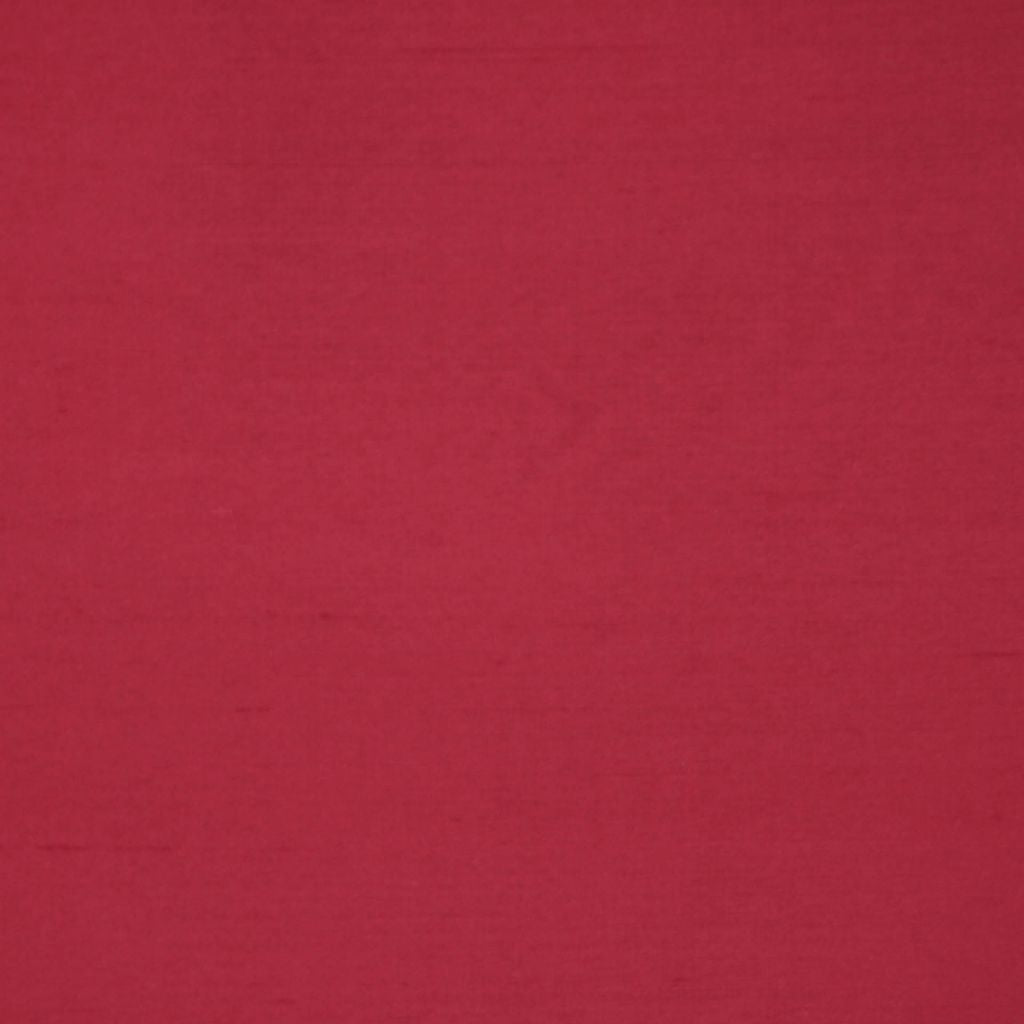
INTUITION – MAGENTA RM Coco Fabric
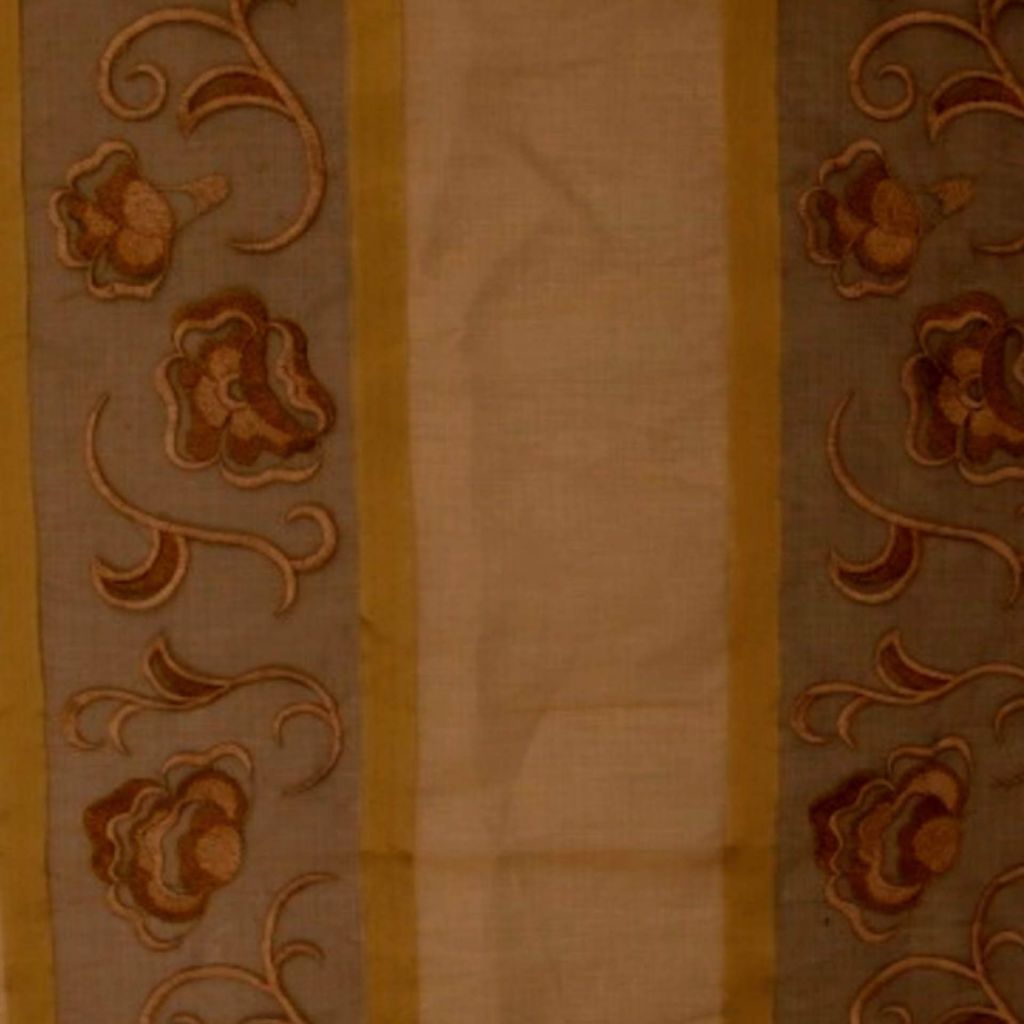
GOLDEN RULE – VINTAGE RM Coco Fabric
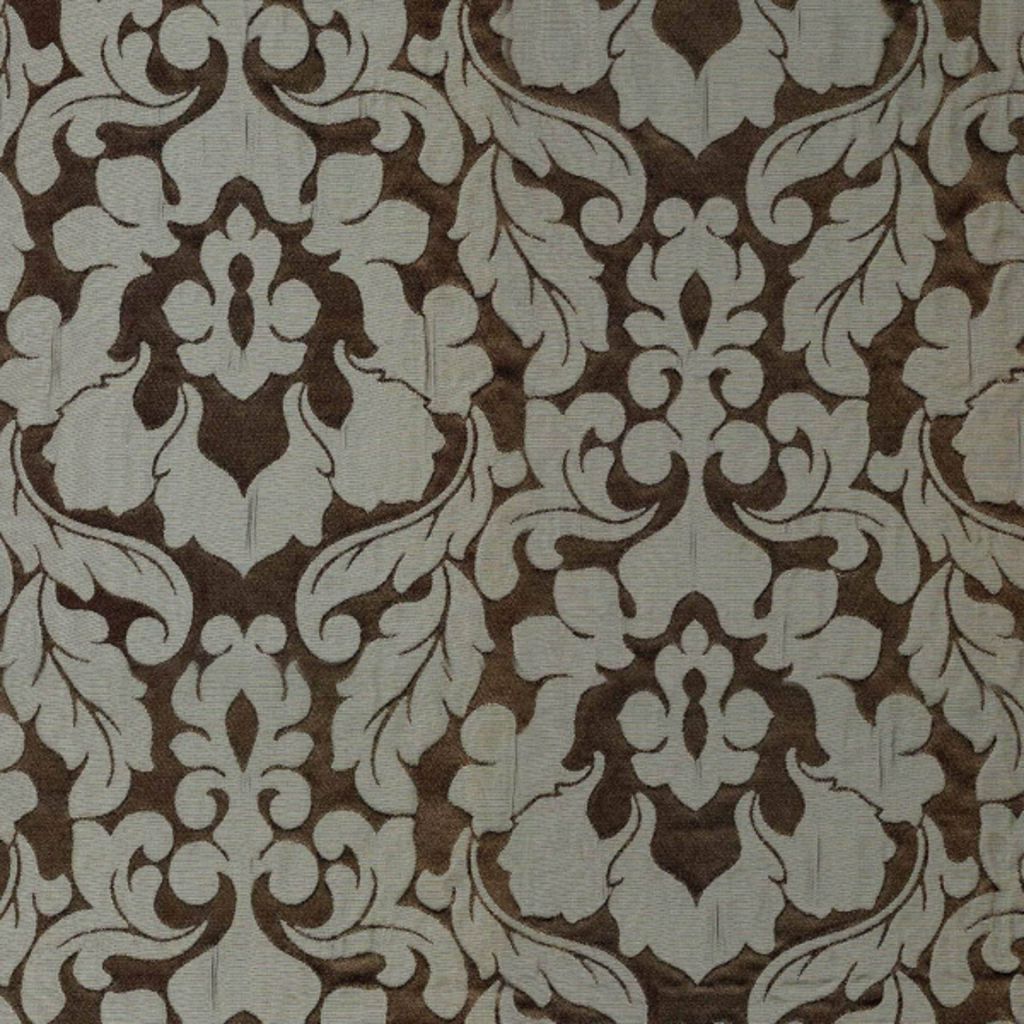
ETERNAL CITY – BLUE MIST RM Coco Fabric
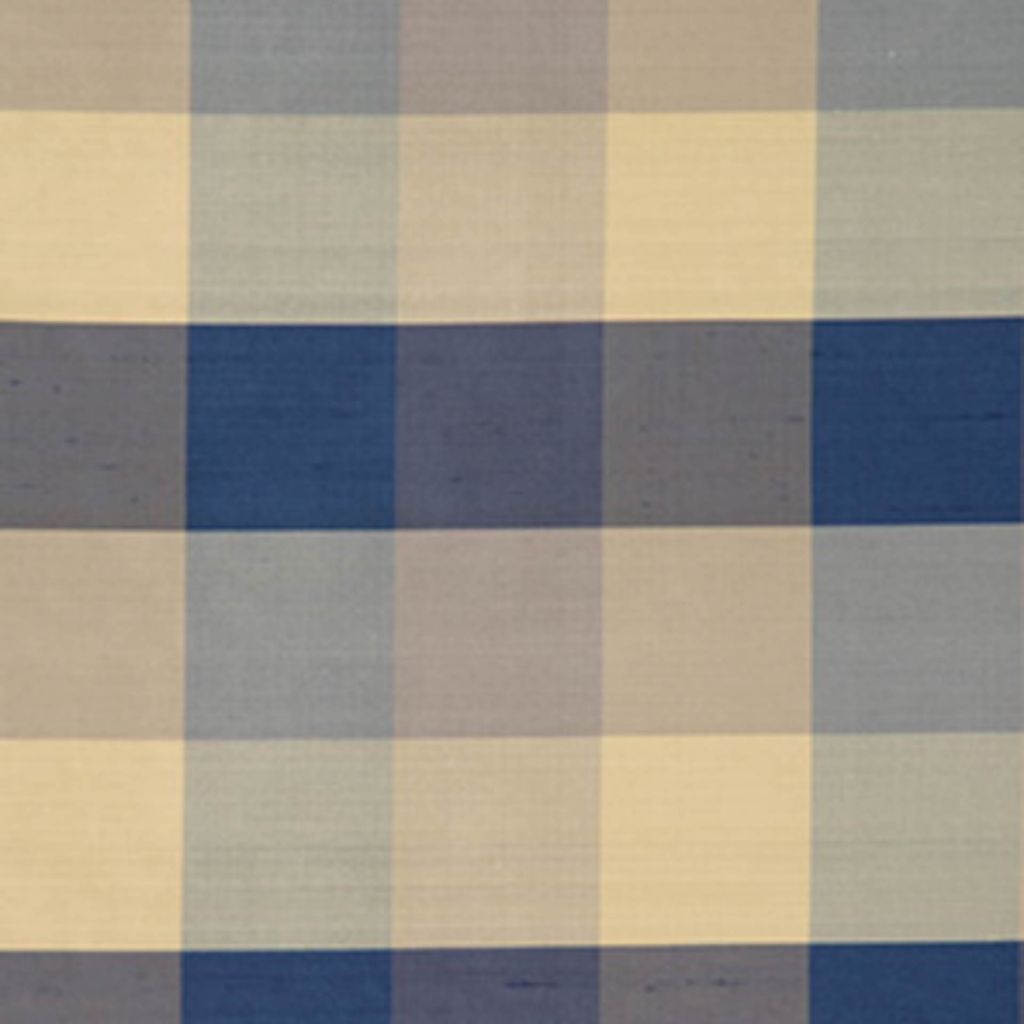
Q240 – 52 RM Coco Fabric
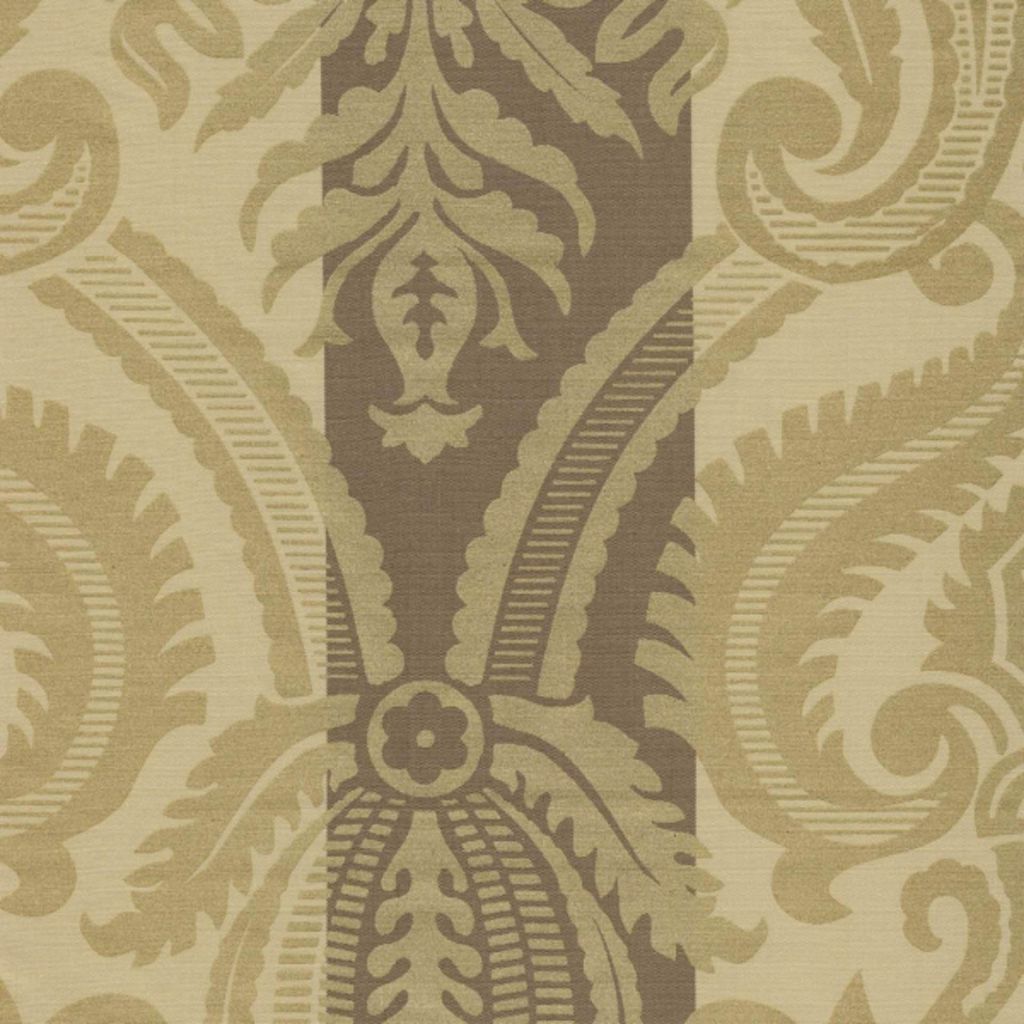
MASTERPIECE – PORCINI RM Coco Fabric
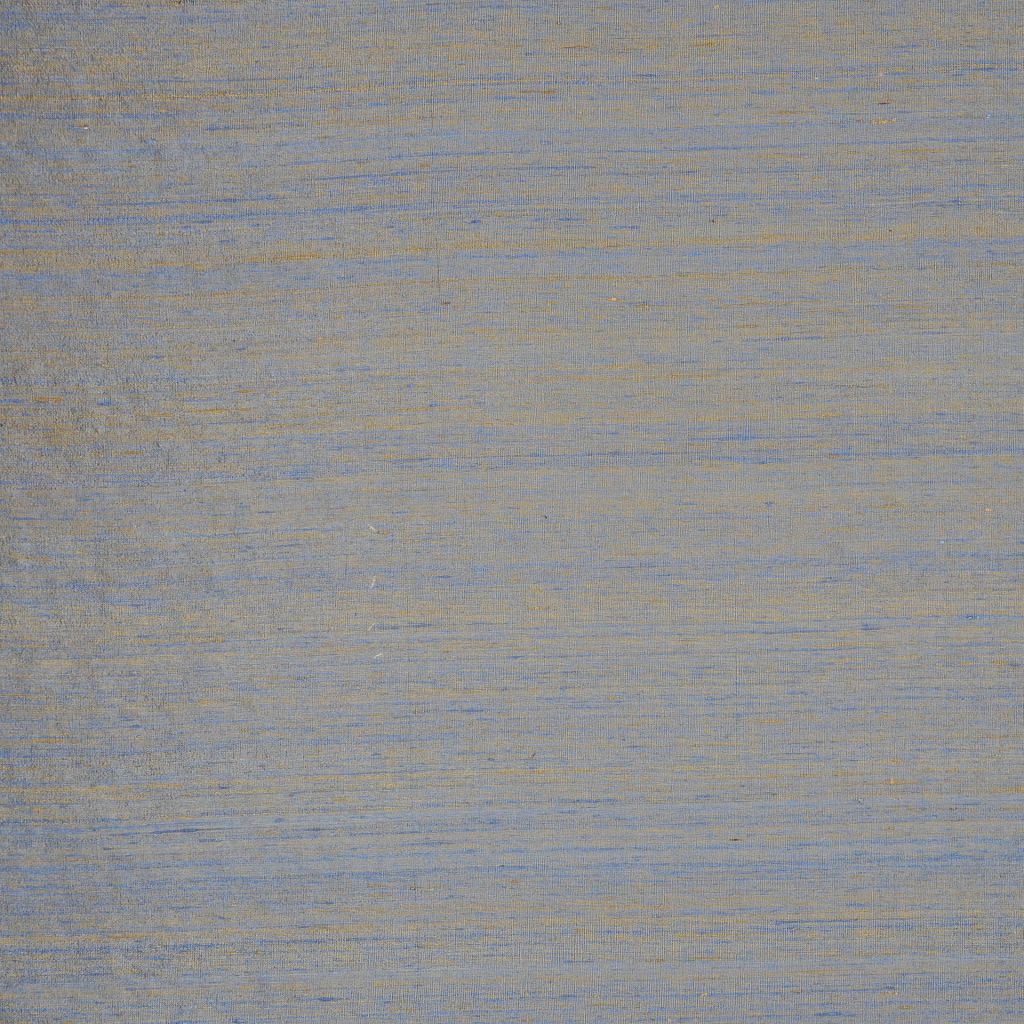
KASEM – DRIZZLE RM Coco Fabric
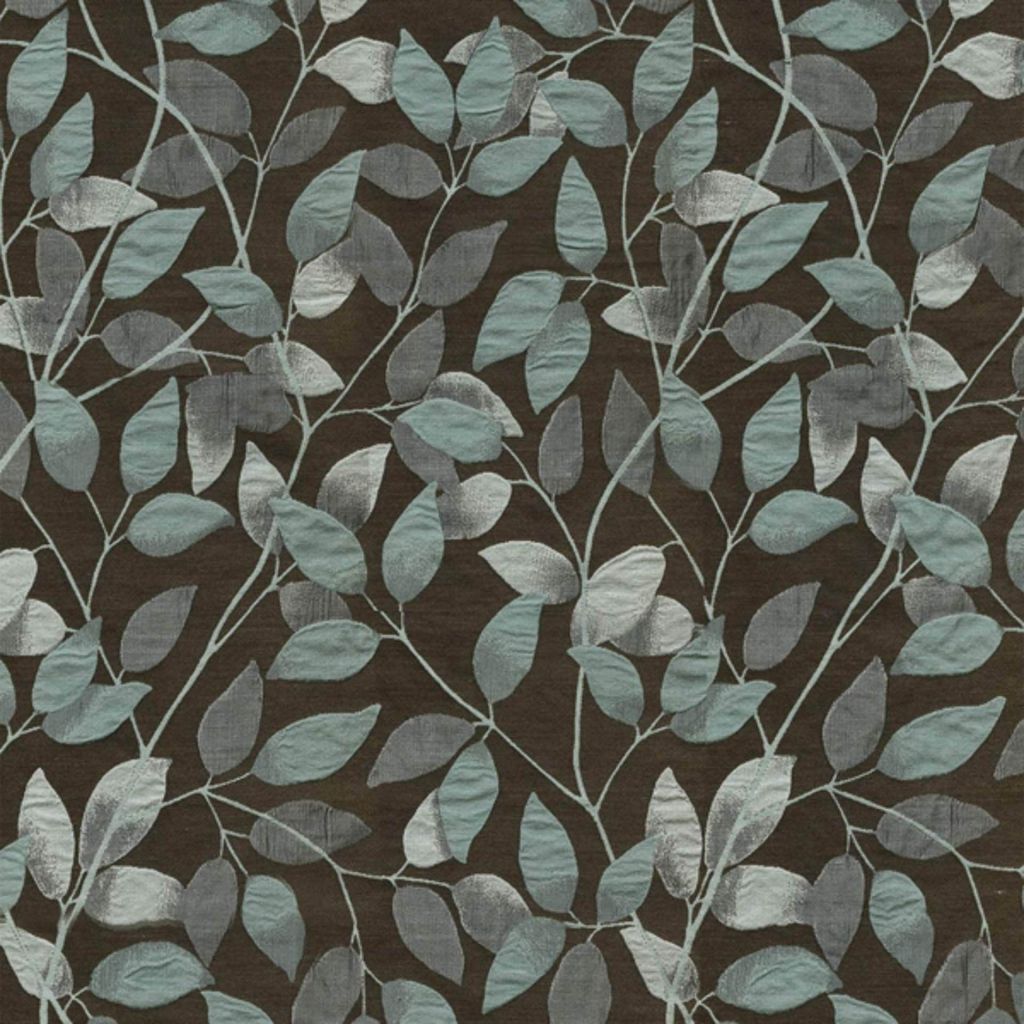
EXCEPTION TO THE RULE – AQUA RM Coco Fabric
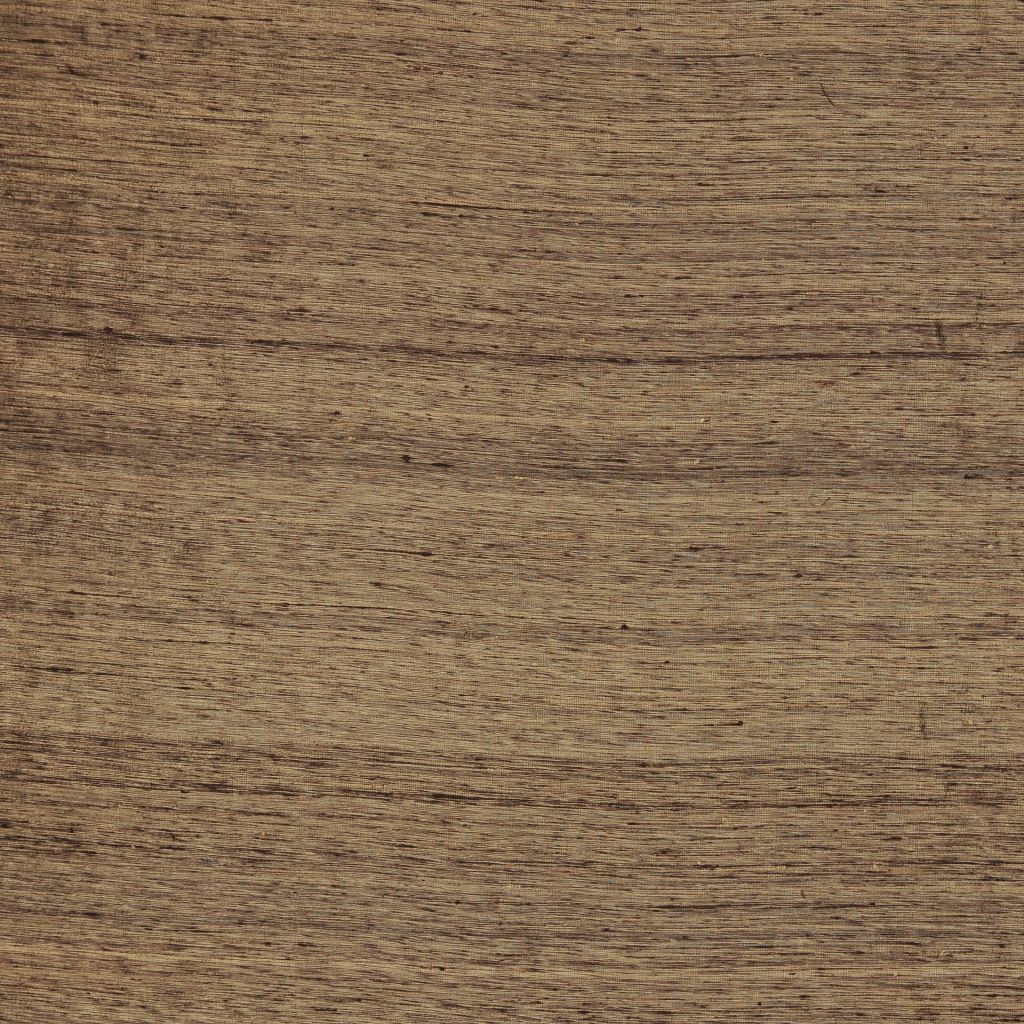
KASEM – WALNUT RM Coco Fabric
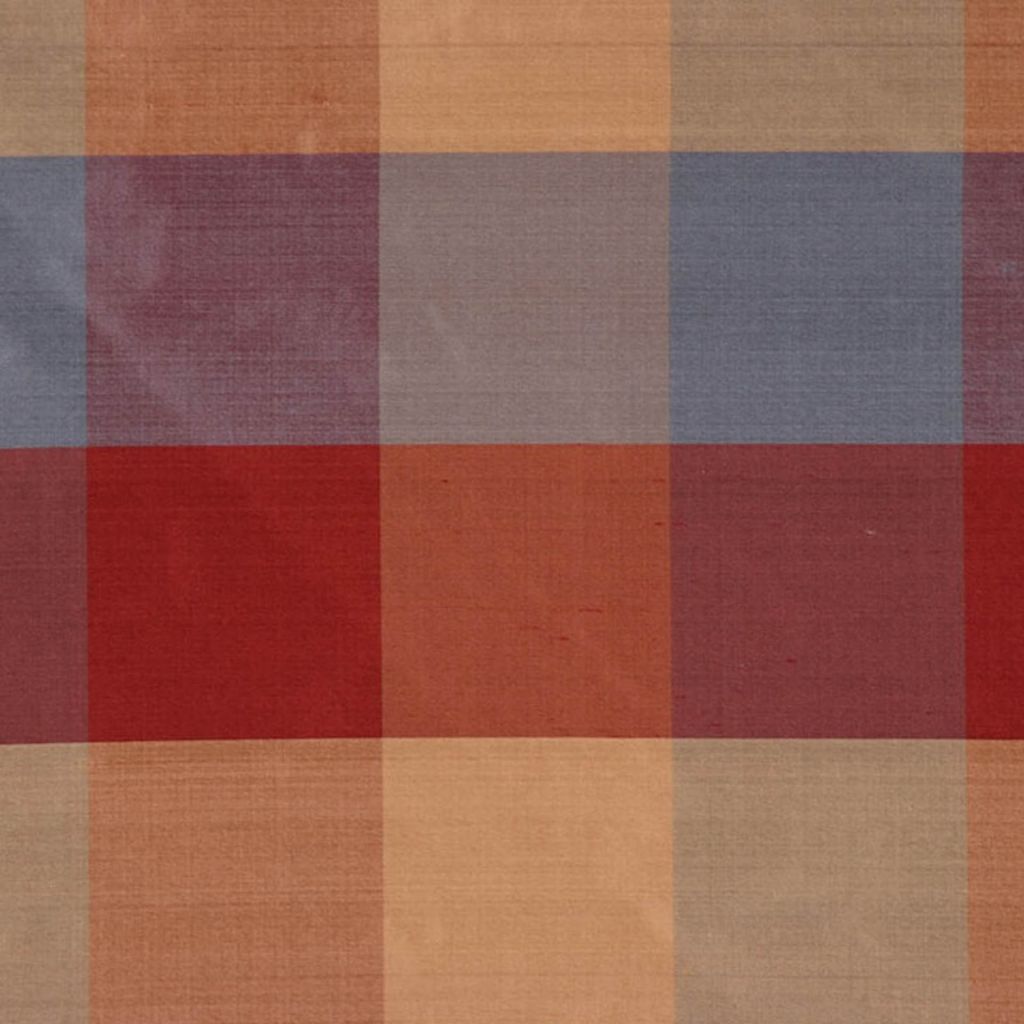
Q240 – 501 RM Coco Fabric

RM DUPIONI – PURPLE RM Coco Fabric
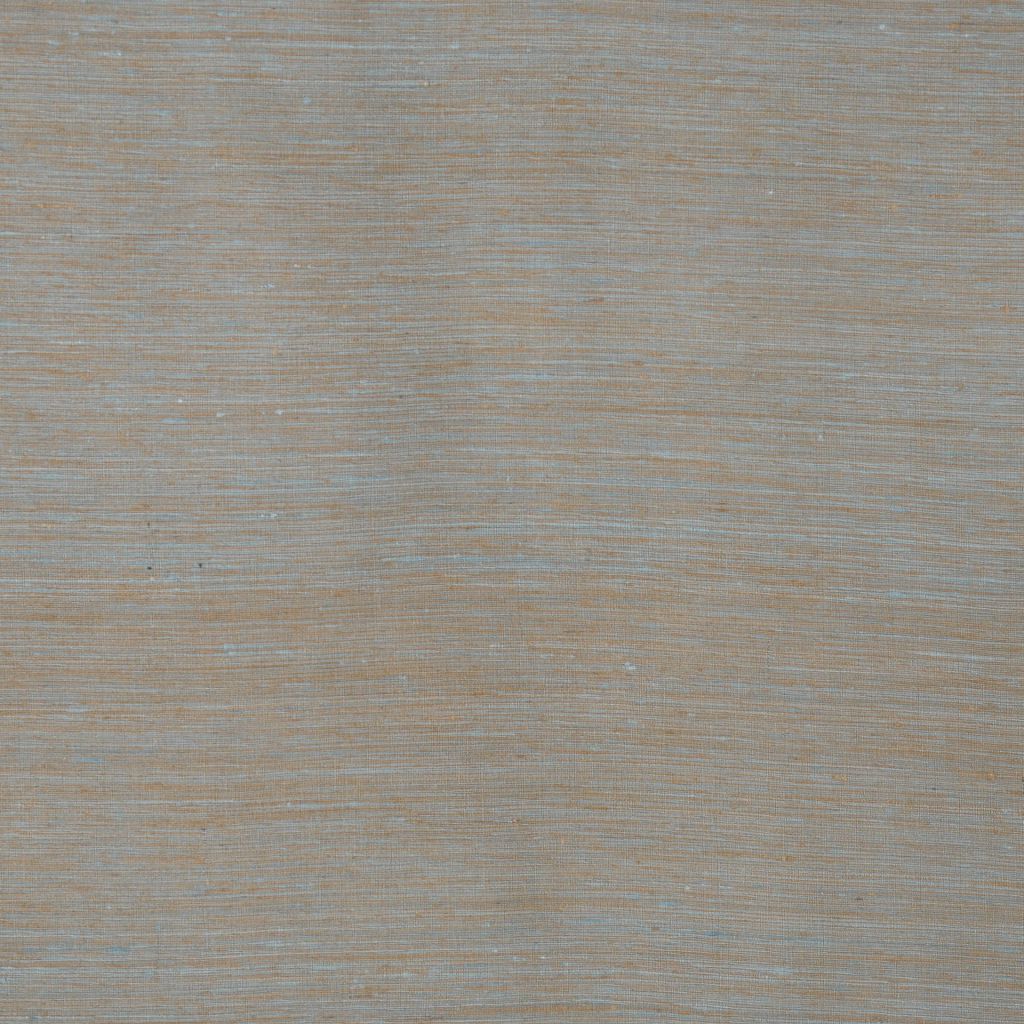
BENNY – BLUE RM Coco Fabric
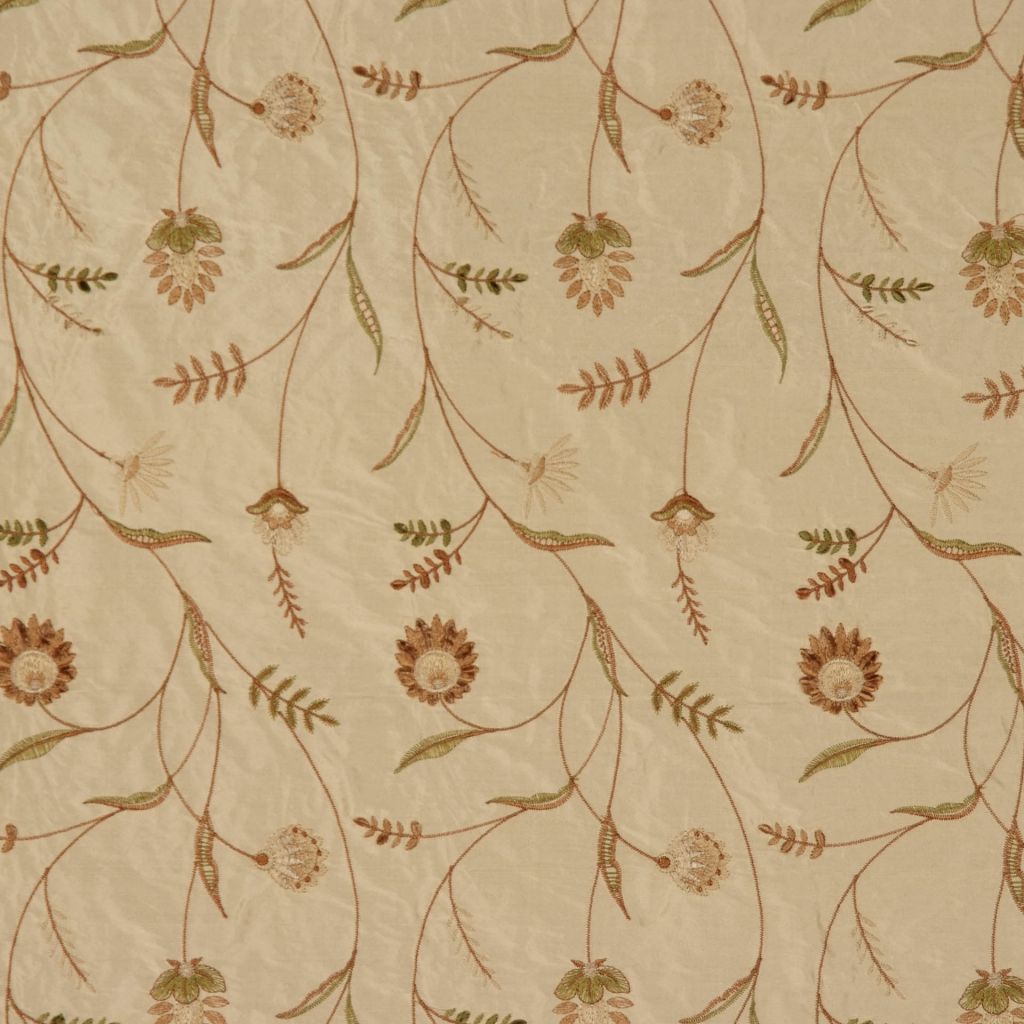
A0015 – 5 RM Coco Fabric
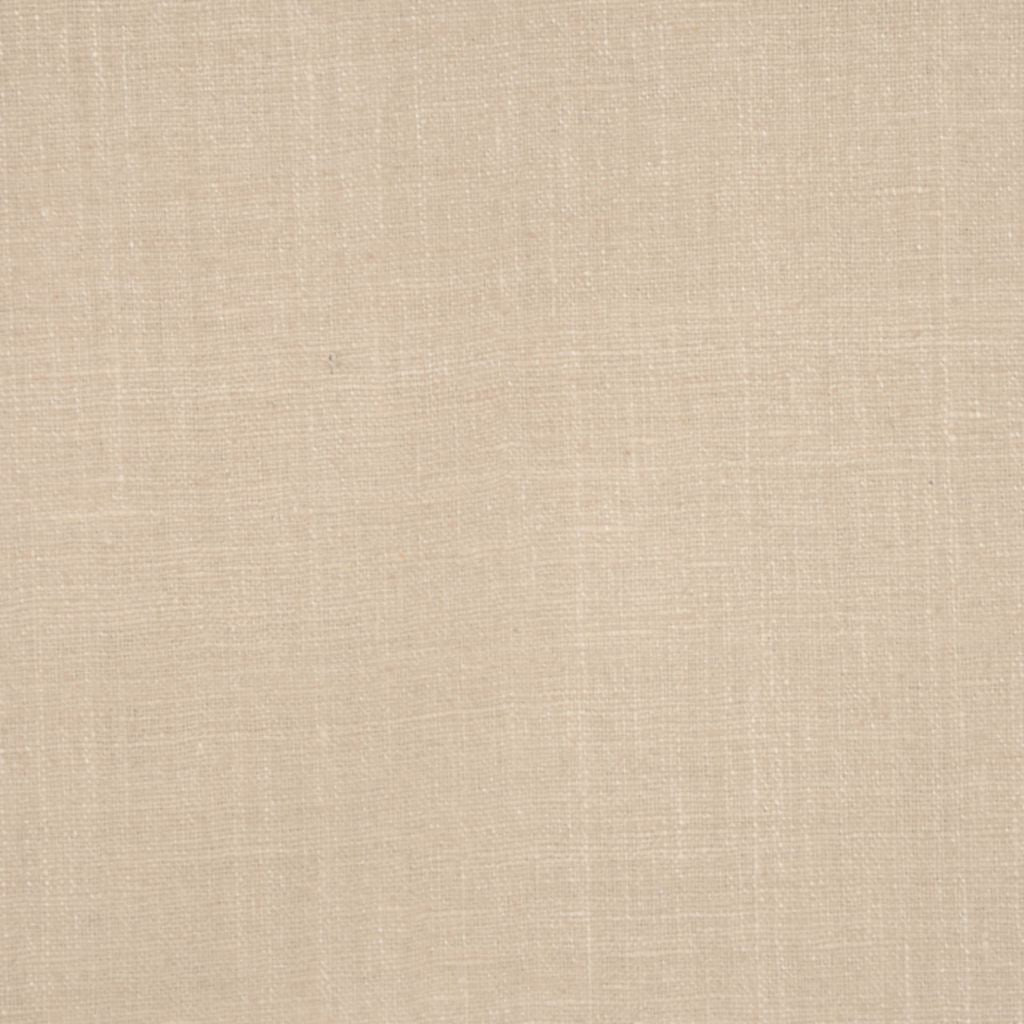
RM MATKA – BISQUE RM Coco Fabric
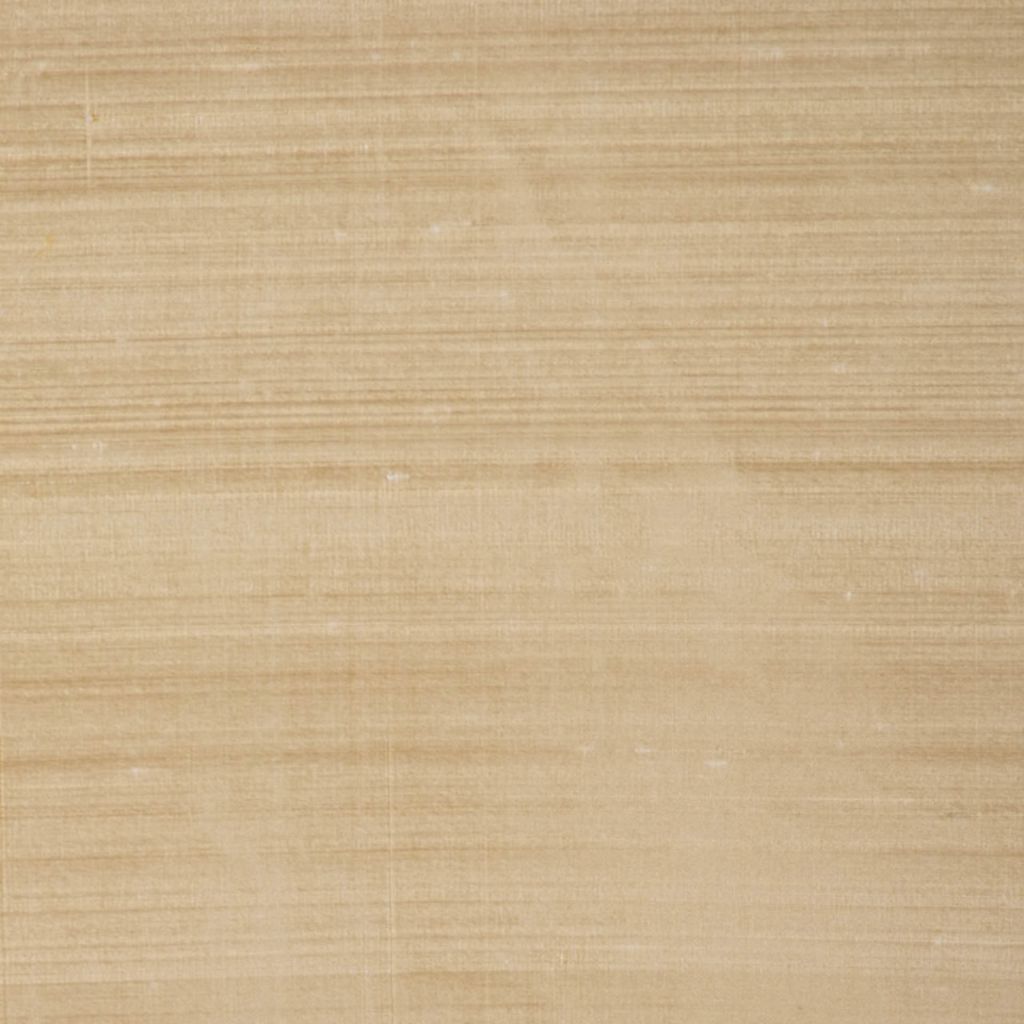
RM DUPIONI – BEIGE RM Coco Fabric
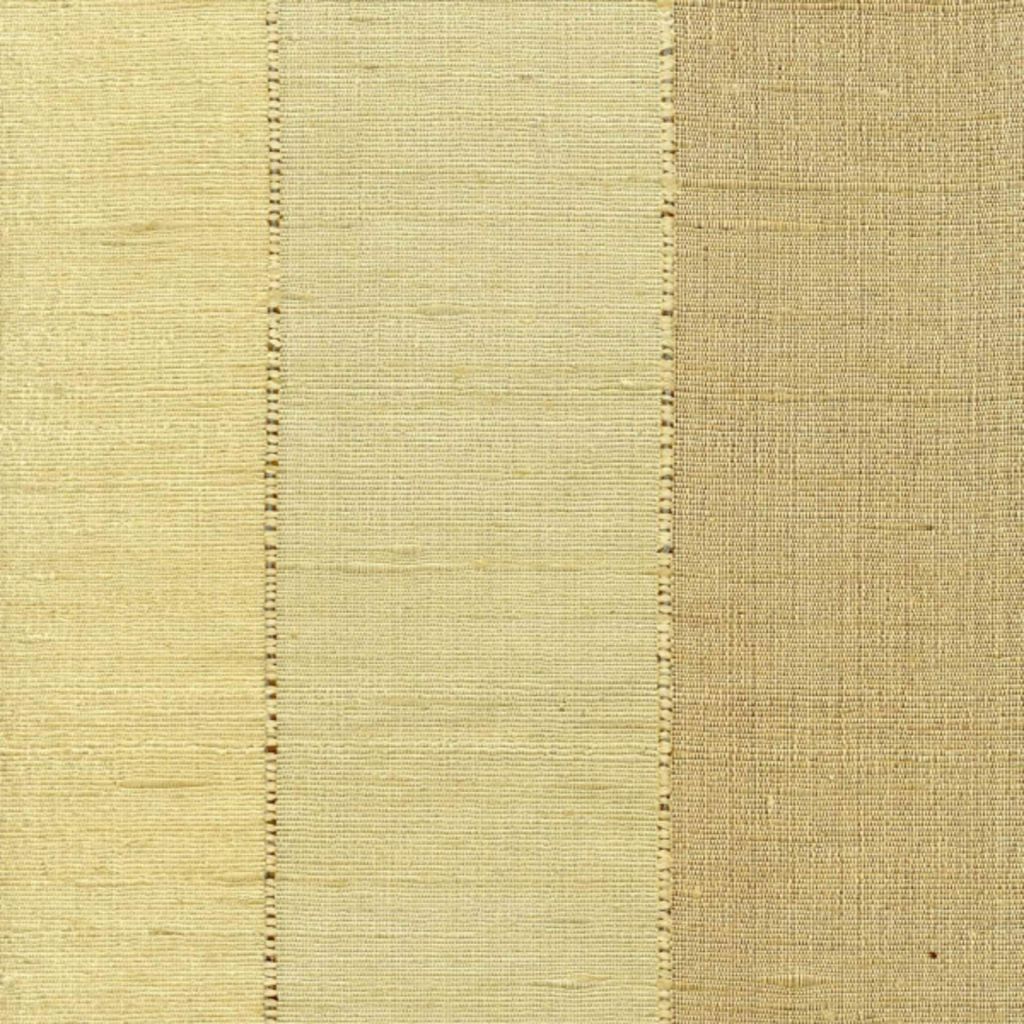
BROSNAN – Spa RM Coco Fabric
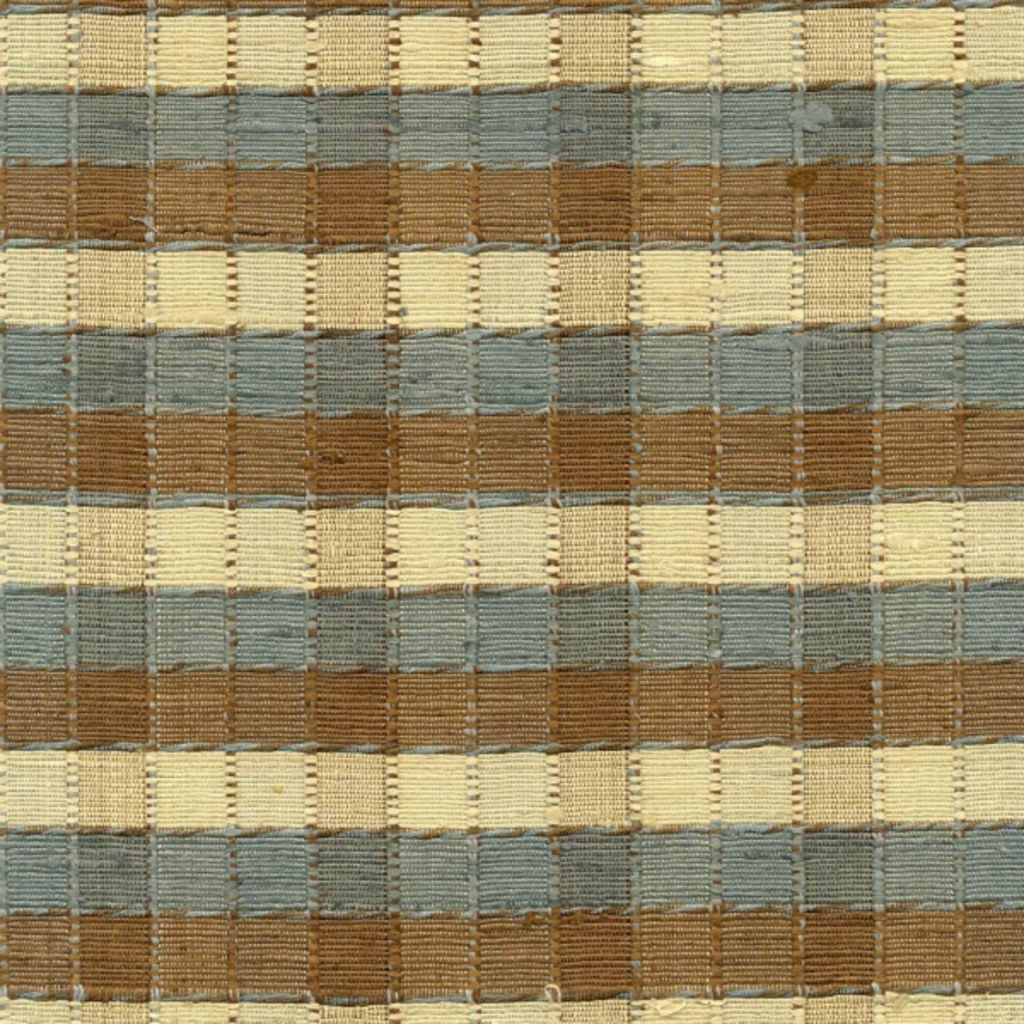
BURTON – Spa RM Coco Fabric
Silk Fabric by the Yard
Silk fabric is the most inherently luxurious natural textile fibre available for residential interiors — produced from the filament of the silkworm cocoon, it combines extraordinary light-reflecting lustre, exceptional softness, natural temperature regulation, and a physical quality that no synthetic fibre has ever fully replicated. At The WorkRoom, our silk fabric collection spans dupioni, taffeta, shantung, velvet, jacquard, and woven silk constructions from leading luxury brands, sold by the yard with samples available.
Types of Silk Fabric
Dupioni silk is the most texturally distinctive natural silk — a crisp, slightly irregular fabric woven from double cocoon filaments that produces characteristic slubs and an iridescent, colour-shifting surface when the warp and weft are different colours. Taffeta and moiré silk are smooth, tightly woven silks with a characteristic rustle and high sheen — the most formally elegant silk constructions for drapery and cushions. Shantung shares dupioni's texture with a slightly softer, less crisp hand. Silk velvet combines silk's natural lustre with velvet pile construction, producing the most extraordinarily rich and light-responsive surface in all of residential textiles. Silk jacquard weaves pattern directly into the silk ground through the jacquard loom, creating woven designs with the depth and light response of natural silk throughout.
Silk Fabric Applications
Silk is primarily a drapery fabric — its weight, drape, and sensitivity to light and moisture make it ideal for window treatments and cushions rather than heavily-used upholstery. For upholstery, velvet and mohair offer comparable luxury with greater durability. Silk drapery panels at a window create a quality of light and movement that no other fabric can match.
Also Explore
Velvet fabric shares silk's luxury positioning with greater durability for upholstery. Mohair fabric is the closest alternative for upholstery requiring natural fibre lustre. Taffeta, moiré & satin fabric extends the formal silk tradition.
RECENTLY VIEWED
Need help? Reach out to us anytime!
800-497-8042
Monday - Friday
10am-6pm EST
Online Support 24/7
Text/SMS
+1 725-300-3585
Email: sales@theworkroom.llc